What is Radon? Understanding Its Risks and Importance in Home Inspections
Published on 20 April 2026 07:13 PM
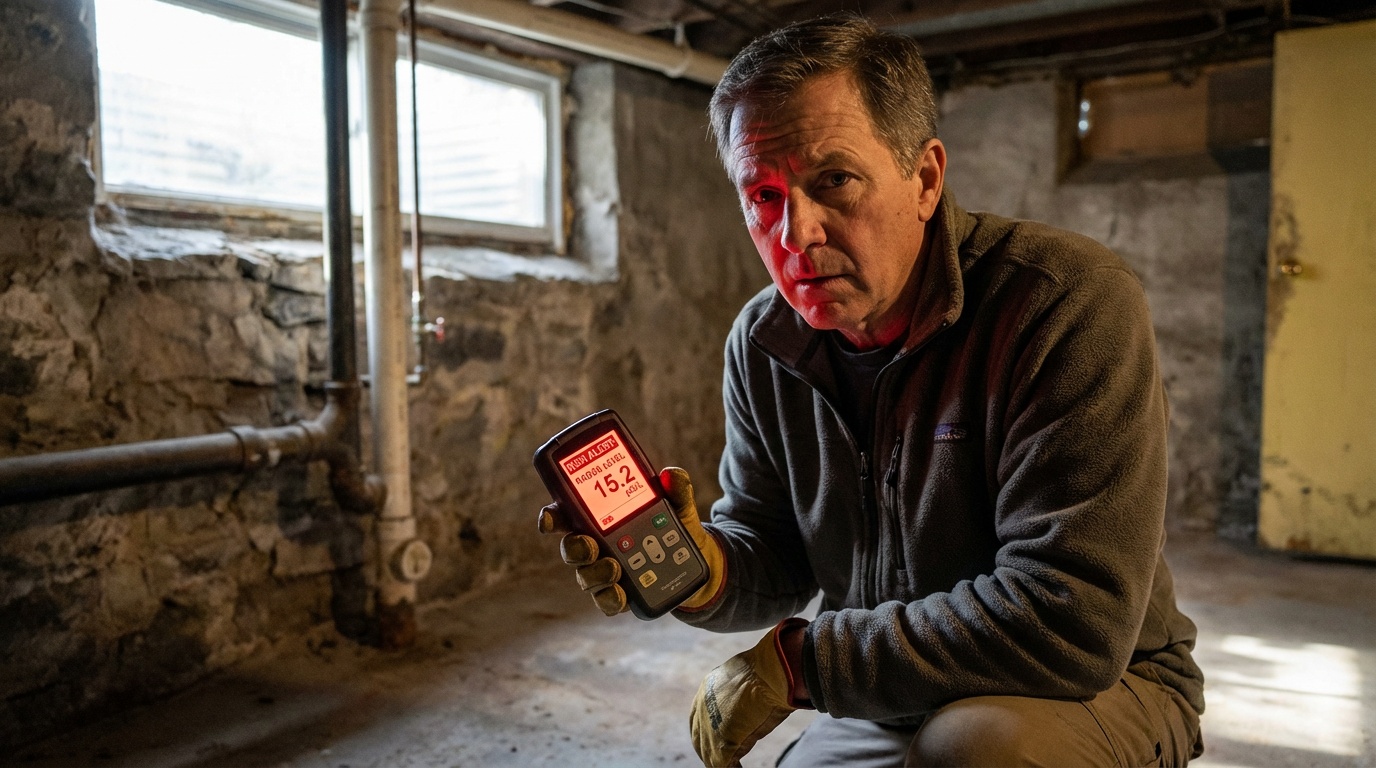
What is Radon?
Radon is a naturally occurring, radioactive gas formed by the decay of uranium in soil, rock, and water. It is colorless, odorless, and tasteless, making it undetectable without specialized testing equipment. As uranium breaks down, it releases radon gas, which can seep into homes through cracks in foundations, gaps around pipes, and even porous building materials. Once inside, radon accumulates in enclosed spaces, particularly in basements and lower levels, where concentrations can reach dangerous levels over time. Understanding its origins and behavior is critical for homeowners, especially in regions with higher uranium concentrations in the ground.
Health Risks of Radon Exposure
Prolonged exposure to elevated radon levels is the second-leading cause of lung cancer in the United States, responsible for an estimated 21,000 deaths annually, according to the Environmental Protection Agency (EPA). When inhaled, radon decay products can damage lung tissue, increasing cancer risk—particularly for smokers, as the combined effects of smoking and radon exposure are synergistically dangerous. The gas poses no immediate symptoms, often going unnoticed until severe health complications arise. This silent threat underscores the importance of proactive testing, especially in homes where families spend significant time. The EPA emphasizes that even low-level exposure carries risk, reinforcing the need for mitigation measures when levels exceed 4 picocuries per liter (pCi/L).
The Importance of Radon Testing in Home Inspections
Radon testing is a critical component of residential home inspections, particularly during real estate transactions. The EPA recommends testing for radon in every home, as it is the only way to determine if dangerous levels are present. Professional inspectors use short-term (2–90 days) or long-term (over 90 days) testing methods to measure indoor concentrations. Short-term tests are commonly used during home sales due to time constraints, while long-term tests provide a more accurate annual average. Buyers and sellers should also verify whether a home was built with radon-resistant features, such as gravel layers beneath foundations or vent pipes, which reduce gas entry. For reliable results, hiring a certified radon tester ensures compliance with EPA protocols and minimizes device interference during testing. These steps protect both financial and health investments in property ownership.
Radon Mitigation: Reducing Risk in Homes
If testing reveals radon levels at or above 4 pCi/L, mitigation systems can effectively reduce concentrations to safer levels. Common solutions include installing sub-slab depressurization systems, which use pipes and fans to redirect radon from beneath the home to the outdoor air. Sealing cracks and improving ventilation in basements or crawl spaces also helps limit gas entry. The cost of mitigation typically ranges from $1,000 to $2,500, depending on home size and construction. Homeowners purchasing properties in high-radon areas should consider including radon testing and mitigation clauses in purchase agreements. Additionally, home warranty companies may offer coverage for mitigation systems as part of broader protection plans. Regular follow-up testing ensures long-term effectiveness, safeguarding occupants from this invisible hazard.
Conclusion
Radon is a serious health hazard that demands attention during home inspections and property transactions. While undetectable without testing, its risks can be mitigated with proper measures. By understanding EPA guidelines, investing in professional testing, and addressing elevated levels promptly, homeowners can protect their families and maintain property value. Whether buying, selling, or maintaining a home, awareness of radon's dangers and solutions is a vital step toward ensuring indoor air quality and long-term safety.